





Seedleaf was established in the fall of 2007. Since then, we’ve transformed sometimes forgotten and
neglected spaces into shared ground for growth, nourishment, and connection.
Guided by our mission, nourish communities by growing and sharing food,
we continue to provide gardening resources while working and learning with our community.
OUR STRONGEST SAFETY NET
IS EACH OTHER
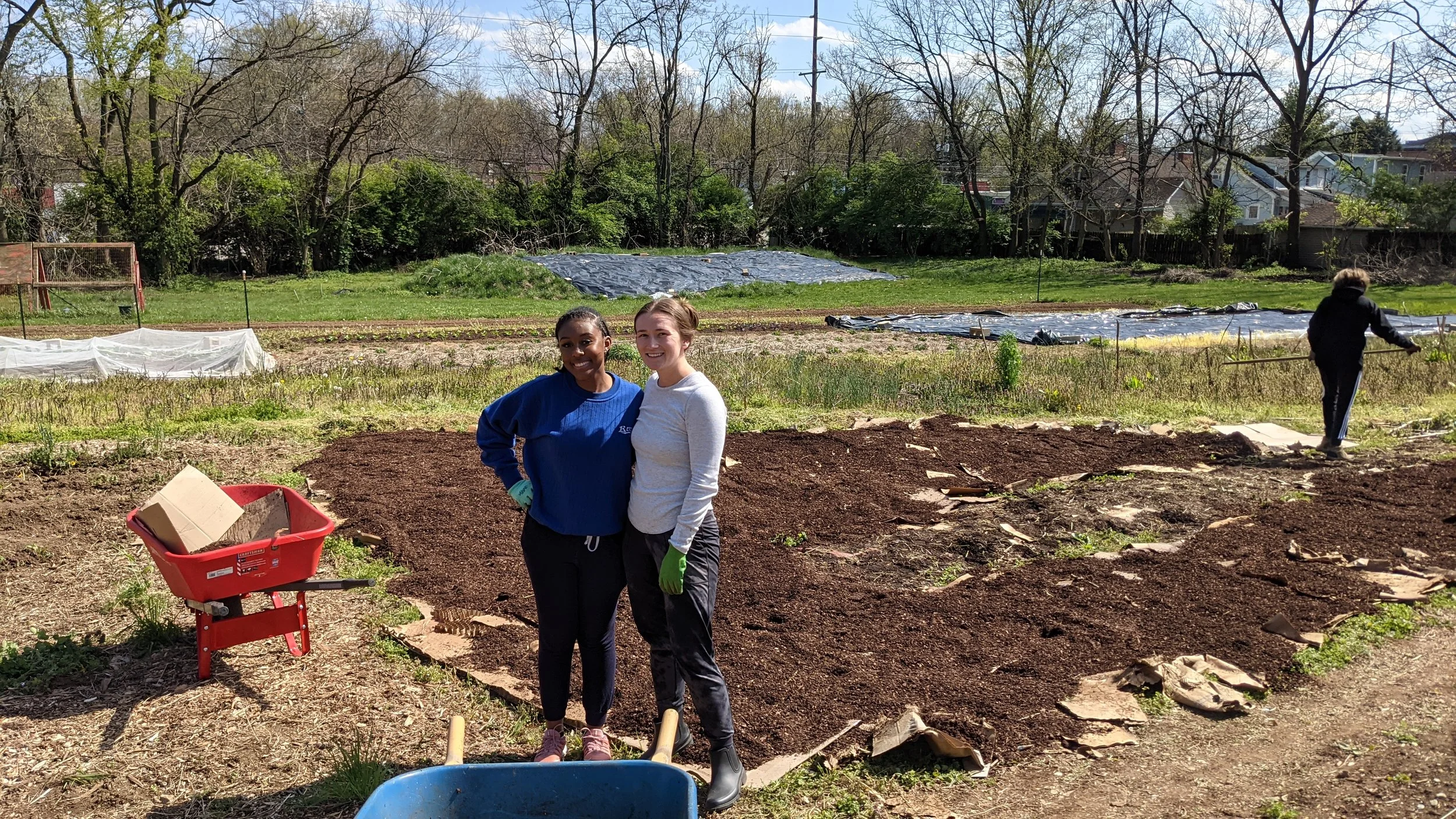
Through gardening and farming together, we open access to land, foster connection across differences, and expand access to fresh, healthy food.
Seedleaf’s work ensures more people can grow, nourish, and care for themselves, one another, and the places we share.



-
Access to land is the number one challenge facing the new generation of farmers in the United States, and centuries of discrimination and dispossession have put this resource out of reach for Black, Indigenous, and people of color (BIPOC) farmers in particular.
-
Increased urban development not only impacts the livelihood of farmers but fuels climate change, contributes to biodiversity loss, and degrades water quality.
-
Studies have shown that urban green spaces have positive restorative effects on our mental health and wellbeing; they may help provide a buffer against stressful life events.
-
Gísladóttir and Jónsdóttir, 2023;
Hartig T, van den Berg AE, Hagerhall CM, et al., 2011;
National Young Farmer’s Coalition, 2025; United Nations, 2022;
-
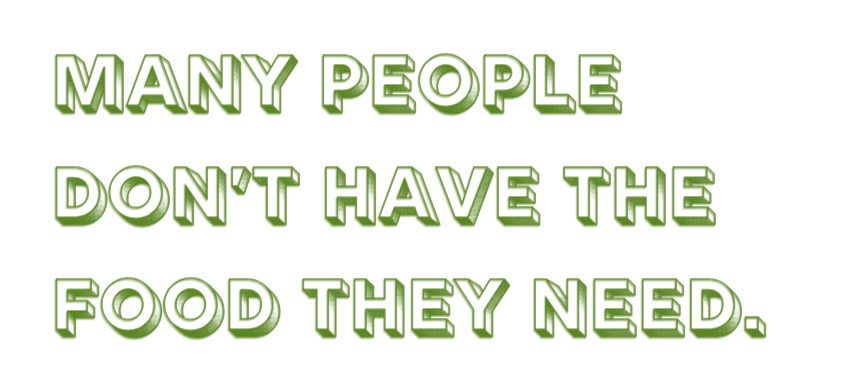
About 80% of the U.S. population consumes less than the recommended amount of fruit and vegetables.
-
66% of households surveyed for the Kentucky Hunger Study reported cutting or skipping meals. 19% of children in Fayette County experience food insecurity.
-
In 2026, food prices are predicted to continue increasing. Overall, grocery costs may rise 3.4%, with fresh vegetables increasing by 7.8% and fresh fruit by 1.8%
-
ERS, USDA, 2026; Feeding America, 2023; Feeding Kentucky, 2026;
Young, Stewart, Byrne, Kantor and Dong, 2025
-
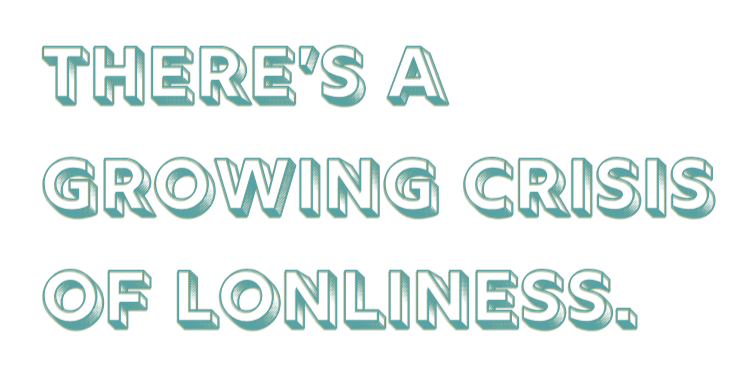
Loneliness is linked to an estimated 100 deaths every hour—more than 871,000 deaths annually.
-
The best current estimates indicate that between 25% and 33.6% of older people globally are socially isolated.
-
More than 60% of U.S. adults reported feeling loneliness and emotional disconnection, while half or more adults said they felt isolated (54%), left out (50%) or lacking companionship (50%) often or some of the time.
-
American Psychological Association, 2025;
World Health Organization, 2025
Side by side, we care for the land, ourselves, and our neighbors.
Together, we can grow a more empowered, connected, and nourished community.
Coming Soon!